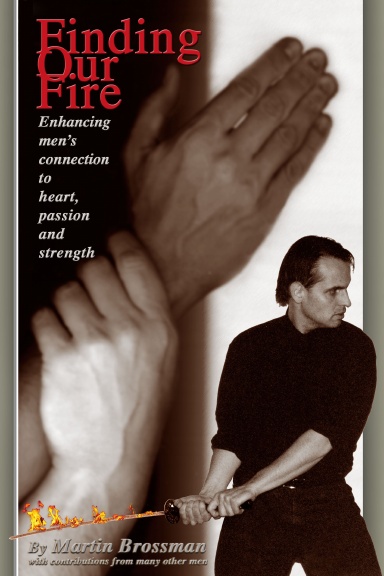
Finding Our Fire - Enhancing men's connection to heart, passion and strength
Usually printed in 3 - 5 business days
“Finding Our Fire" opens a window into a world that most people do not know exists. The frank and fascinating conversation about what it means to be a man serves as a mirror for both sexes to see family history in a new light or take a more enlightened look at a current relationship. This book is a virtual tool kit for resolving issues from the past and installing insight for creating a compelling and passionate future. Because without freedom from our past and clarity about our future, it is difficult to connect to the passion and fire of our life--and without that fire connection, a man either gives up his dreams or feels he has to dominate and control his environment.
Details
- Publication Date
- Jun 2, 2007
- Language
- English
- ISBN
- 9780615163857
- Category
- Personal Growth
- Copyright
- All Rights Reserved - Standard Copyright License
- Contributors
- By (author): Martin Brossman
Specifications
- Pages
- 396
- Binding
- Perfect Bound
- Interior Color
- Black & White
- Dimensions
- US Trade (6 x 9 in / 152 x 229 mm)