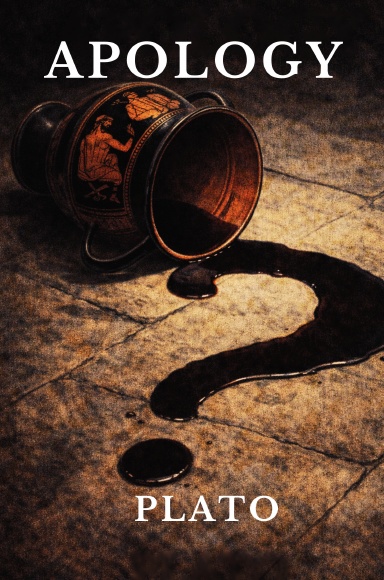
Apology is one of the most influential philosophical works ever written—a powerful courtroom defense delivered by Socrates, as recorded by his student Plato.
Standing accused of corrupting the youth of Athens and impiety, Socrates refuses to plead for mercy or flatter the court. Instead, he offers a fearless examination of truth, virtue, wisdom, and moral responsibility. With calm logic and uncompromising integrity, he challenges his accusers, exposes the flaws of popular opinion, and defends a life devoted to philosophical inquiry.
Far from an apology in the modern sense, this dialogue is a bold declaration of intellectual freedom and ethical courage. Socrates’ refusal to abandon truth—even at the cost of his life—has made this work a cornerstone of Western philosophy and a timeless meditation on justice, conscience, and the examined life.
Clear, compelling, and profound, Apology remains essential reading for students, thinkers, and anyone interested in the foundations of philosophy, law, and moral reasoning.
Detalles
- Fecha de publicación
- Feb 9, 2026
- Idioma
- English
- Categoría
- Historia
- Copyright
- Todos los derechos reservados - Licencia estándar de copyright
- Contribuyentes
- Por (autor o autora): Plato, Traducido por: Benjamin Jowett
Especificaciones
- Páginas
- 68
- Tipo de encuadernación
- Tapa dura Tapa dura
- Color de interior
- Blanco y negro
- Dimensiones
- Comercial EE.UU. (6 x 9 in / 152 x 229 mm)
Palabras clave
Plato ApologyApology by PlatoSocrates trialSocratic philosophyancient Greek philosophyclassical philosophy textsphilosophy classicsethics and morality philosophySocrates defense speechphilosophy of truthWestern philosophy foundationsancient philosophy booksGreek philosophy classicspublic domain philosophyphilosophy students readingphilosophy primary textsclassical Greek literaturemoral courage philosophyphilosophy of justiceSocratic methodphilosophy dialogue Platohistorical philosophy workstrial of Socrates bookphilosophy and lawancient ethics philosophyPlato dialogues collectionphilosophy education readingintellectual freedom philosophyclassical ethics textsphilosophy canon booksancient wisdom literaturephilosophy for thinkersphilosophical arguments classics