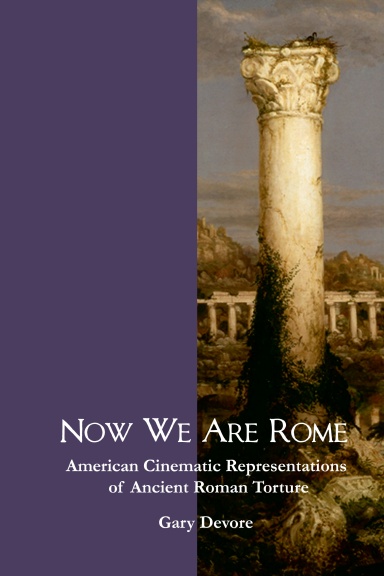
Now We Are Rome
American Cinematic Representations of Ancient Roman Torture
ParGary Devore
Habituellement imprimé en 3-5 jours ouvrés
In films about the Roman world, Hollywood has traditionally presented torture as a vile practice incompatible with American ideals, as well as one that routinely elicits correct information. However, after torture became a topic of national dialogue in the US with the discovery of the scandal at Abu Ghraib in 2004, and again with the discussion around the release in 2009 of Bush-era memos legitimizing the Republican waterboarding of detainees at Guantánamo, torture could no longer be used as narrative shorthand for a barbaric, pre-democratic, pre-Christian, pre-American past.
This essay analyzes the use of torture in two films and one television program set in the ancient Roman world: Cecil B. DeMille’s Sign of the Cross (1932), Anthony Mann’s Fall of the Roman Empire (1964), and the HBO series Rome (2005 & 2007). It sets the depicted torture within both its ancient context and the contemporary cultural frameworks surrounding each cinematic production while investigating the shifting perception and presentation of coerced interrogations. It also explores the future for such depictions in the epic historical film, particularly in a post-Abu Ghraib and post-Guantánamo world.
Détails
- Date de publication
- Nov 26, 2024
- Langue
- English
- Catégorie
- Divertissement
- Copyright
- Tous droits réservés - Licence de copyright standard
- Contributeurs
- Par (auteur): Gary Devore
Caractéristiques
- Pages
- 44
- Type de reliure
- Livre à couverture souple Livre à couverture souple
- Couleur de l’intérieur
- Couleur
- Dimensions
- Roman (6 x 9 po / 152 x 229 mm)