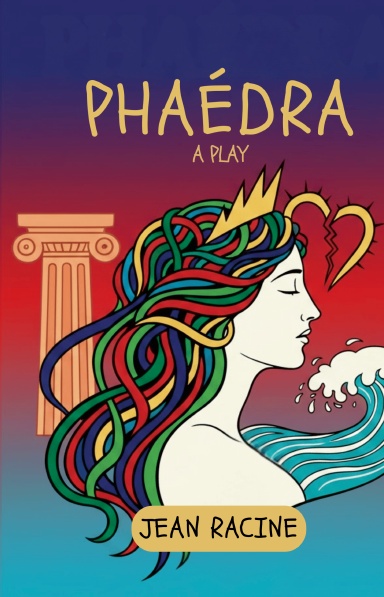
Phaedra by Jean Racine is one of the greatest tragedies of French classical theatre—a powerful story of forbidden desire, guilt, and fate.
Inspired by ancient Greek mythology, the play centers on Phaedra, the wife of King Theseus, who becomes consumed by a forbidden and devastating passion for her stepson, Hippolytus. Struggling against overwhelming emotion and the weight of honor, Phaedra’s secret love leads to tragic consequences that destroy lives and reveal the destructive force of unchecked passion.
Written in Racine’s elegant and poetic style, Phaedra explores themes of love, shame, moral conflict, and destiny. The play’s intense psychological depth and lyrical language have made it a masterpiece of classical drama and one of the most admired works of French literature.
Haunting, passionate, and timeless, Phaedra remains a defining tragedy of European theatre and a profound exploration of human emotion and fate.
Dettagli
- Data di pubblicazione
- Mar 20, 2026
- Lingua
- English
- Categoria
- Narrativa
- Copyright
- Tutti i diritti riservati - Licenza di copyright standard
- Collaboratori
- Di (autore): Jean Racine
Specifiche
- Pagine
- 77
- Tipo di rilegatura
- Copertina rigida Copertina rigida
- Colore del contenuto
- Bianco e nero
- Dimensioni
- Digest (140 x 216 mm)
Parole chiave
Phaedra RacineJean RacineFrench classical tragedyGreek mythology dramaclassic European theatreseventeenth century dramatragic love storyclassical French literatureancient myth adaptationclassic stage playsRacine tragediestheatre studies literaturetragic passion themesforbidden love dramaworld literature classicsclassical drama for studentstimeless tragic theatrepublic domain playsEuropean dramatic classicsessential French tragedy