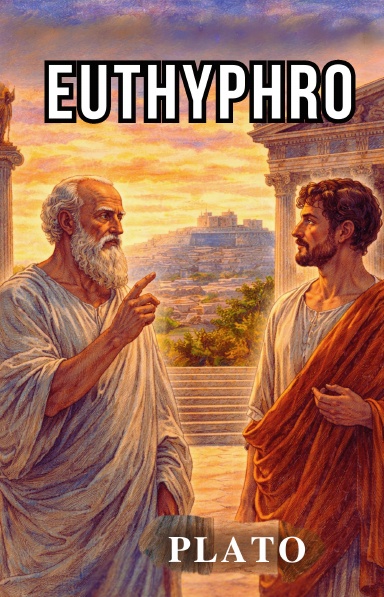
Euthyphro is one of Plato’s most enduring and accessible philosophical dialogues, centered on a deceptively simple question: What is piety?
Set on the steps of the Athenian courthouse just before the trial of Socrates, the dialogue records a conversation between Socrates and Euthyphro, a confident religious authority who claims to know precisely what holiness means. Through careful questioning, Socrates tests Euthyphro’s definitions, exposing contradictions and deeper uncertainties about morality, divine authority, and ethical knowledge.
At the heart of the dialogue lies the famous Euthyphro dilemma: Is something good because the gods command it, or do the gods command it because it is good? This question continues to shape debates in ethics, theology, and philosophy of religion.
Clear, ironic, and intellectually sharp, Euthyphro serves as both an introduction to Socratic method and a timeless exploration of moral reasoning—essential reading for anyone interested in philosophy, ethics, and the foundations of moral thought.
Dettagli
- Data di pubblicazione
- Feb 12, 2026
- Lingua
- English
- Categoria
- Religione & Spiritualità
- Copyright
- Tutti i diritti riservati - Licenza di copyright standard
- Collaboratori
- Di (autore): Plato, Traduzione di: Benjamin Benjamin Jowett
Specifiche
- Pagine
- 61
- Tipo di rilegatura
- Copertina rigida Copertina rigida
- Colore del contenuto
- Bianco e nero
- Dimensioni
- Digest (140 x 216 mm)
Parole chiave
EuthyphroPlato EuthyphroSocratic dialogueancient Greek philosophyphilosophy ethics classicphilosophy of religionpiety and philosophyEuthyphro dilemmaSocratic methoddialoguesclassical philosophy textsethics and morality philosophypublic domain philosophyphilosophy students readingancient ethics philosophyGreek philosophy classicsphilosophy of goodnessphilosophy classicphilosophy and theologySocrates trial context