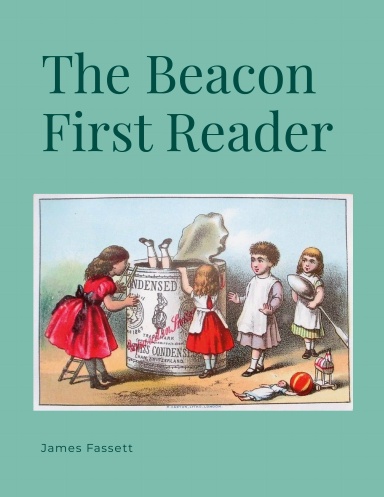
James H. Fassett, a prominent figure in early 20th-century education, made significant contributions to the development of reading materials for young learners. Known predominantly for his work on 'The Beacon Second Reader' (Fassett, 1914), Fassett carved out a niche in the educational literature by creating content that not only served as a pedagogical tool but also engaged children's imaginations. His approach to crafting readers was deeply informed by the pedagogical theories of the time, emphasizing incremental learning, repetition, and moral instruction. Fassett's literary style can be characterized by its simplicity, rhythmic quality, and age-appropriate vocabulary, which exemplified the essence of didactic texts of the early 1900s. His work with 'The Beacon Second Reader' was part of a larger series designed to provide a step-by-step curriculum for reading instruction—an innovative concept that influenced educational practices during that period. Although Fassett may not be as widely recognized as some of his contemporaries, his contributions to the field of educational publishing provided a foundation for reading instruction techniques that continued to evolve long after his time. Today, Fassett's work remains a representation of early educational philosophies and methodologies, offering a window into the pedagogical approaches of the past.
Details
- Publication Date
- Feb 20, 2025
- Language
- English
- Category
- Education & Language
- Copyright
- No Known Copyright (Public Domain)
- Contributors
- By (author): James Fassett
Specifications
- Pages
- 161
- Binding Type
- Paperback Perfect Bound
- Interior Color
- Color
- Dimensions
- US Letter (8.5 x 11 in / 216 x 279 mm)