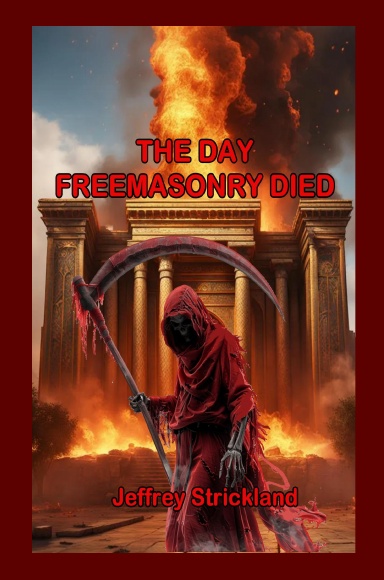
The "death of Freemasonry" refers less to its actual end than to its significant, ongoing decline in membership, particularly in North America, which dropped from a peak in the 1950s/60s due to changing societal values, generational shifts, and differing social patterns. However, Freemasons assert their relevance and use "death" symbolically for self-improvement and equality, with rituals like Masonic funerals still occurring, as noted by this article from davislodge.org and this one from Today in Masonic History.
Key Aspects of the "Death" Narrative:
Membership Decline: Membership peaked around 1959 and has fallen steadily, with significant losses in recent decades, reaching historic lows in the U.S.
Generational Gap: A gap exists, with older generations (Boomers) holding sway, leading to differing expectations and succession challenges, according to davislodge.org.
Societal shifts: Changing community structures, social patterns, and the rise of the internet have affected traditional fraternal organizations like Freemasonry.
Perceived Irrelevance: The once-powerful fraternity, which included Founding Fathers, struggles to attract members seeking its traditional "allure," notes NPR.
This book reveals everything about Freemasonry and offers a possible solution to the problem.
Details
- Publication Date
- Dec 9, 2025
- Language
- English
- ISBN
- 9781105934278
- Category
- Social Science
- Copyright
- Creative Commons NonCommercial, ShareAlike (CC BY-NC-SA)
- Contributors
- By (author): Jeffrey Strickland
Specifications
- Pages
- 270
- Binding Type
- Hardcover Case Wrap
- Interior Color
- Color
- Dimensions
- US Trade (6 x 9 in / 152 x 229 mm)