Eye Disease Control
Protect And Control Eye Disease
This ebook may not meet accessibility standards and may not be fully compatible with assistive technologies.
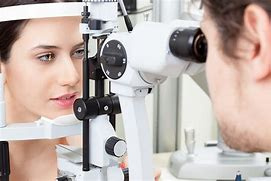
A comprehensive eye exam, also sometimes called a routine eye exam, consists of a series of tests to measure how well you can see and to look for any problems that might be affecting the overall health of your eyes.
These can include ophthalmologic conditions, such as cataracts, but also unrelated medical issues that cause symptoms that affect the structures of the eyes, such as diabetes. It can be done by an ophthalmologist or an optometrist, depending on if there are any specific things about your eyes that need to be addressed. How often you should have an eye exam depends on a variety of factors, including your overall risk for specific:
1-problems.
2-Purpose
During a comprehensive eye exam an eye doctor will assess
1-Eye muscle movement
2-Visual acuity (how clearly you see)
3-Refractive error (how light waves pass through the cornea and lens of the eye)
4-Visual field (how much you can see on either side of you while not moving your eyes)
5-Color vision
6-The physical health of your eyes and the surrounding structures, including lashes and eyelids.
7-The health of the retina
Risk of Glaucoma
During an eye exam, signs or symptoms of a health problem unrelated to your eyes also may be discovered. According to the American Academy of Ophthalmology (AAO), this is because "the eye is the only place in the body where a doctor can have an unobstructed view of our blood vessels, nerves, and connecting tissue—without the need for surgery.
Examples of diseases and conditions that can be discovered during a comprehensive eye exam include diabetes, high blood pressure, autoimmune diseases, sexually transmitted diseases, and cancer."
Who Should Have an Eye Exam and How Often
Although generally regarded as a yearly event, when and how often a person should have their eyes examined depends on factors such as age, general health, risk of eye disease, and other factors. For most people, the guidelines are as follows:
Children 3 and under
Although a little one this age won't need an eye exam, the pediatrician will keep a close watch for problems such as strabismus (when the eyes are not aligned) and amblyopia (lazy eye) at regular well-child checkups.
Children Ages 3 to 5
Preschoolers should have their first eye exam when they reach a stage at which they're able to cooperate with the doctor (can identify simple shapes on an eye chart, for example).
School-age children and Adolescents
Details
- Publication Date
- Aug 16, 2025
- Language
- English
- Category
- Science & Medicine
- Copyright
- All Rights Reserved - Standard Copyright License
- Contributors
- By (author): Seyed E. Zamani
Specifications
- Format
- EPUB