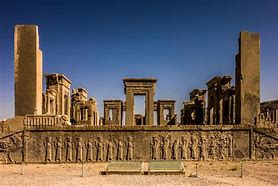
Persian Modern History
Parsian Modern History and Culture
This ebook may not meet accessibility standards and may not be fully compatible with assistive technologies.
The Persian Empire was neither a revival of the ancient empires of the Achaemenians (the Persians who fought the Greeks) and Sasanians nor the beginning of the modern state of Iran. Although the Safavids united most of what had been the Persian-speaking areas of the earlier empires, they did not claim to be their heirs or legitimate successors. They were no more or less
Iranian than their Timurid and Turkmen predecessors. Although the Safavid unification of the eastern and western halves of the Iranian plateau and imposition of Twelver Shii Islam on the region created a recognizable precursor of modern Iran, the Safavid polity itself was neither distinctively Iranian nor national. In the words of Rudi Matthee, “Though not a nation-state, Safavid Iran contained the elements that would later spawn one by generating many enduring
bureaucratic features and by initiating a polity of overlapping religious and territorial boundaries.”1
The establishment of Twelver Shiism dominated the social, religious, and cultural history of the Safavid period. Earlier dynasties frequently had Shii tendencies or preferences; none in the post-Mongol era had made Shiism a political platform or sought to impose it. The Safavid imposition of Shiism broke
precedent and began the pattern of confessionalization. But Safavid ghuluww had little in common with the Twelver Shiism that eventually became the faith of the general population. There is no consensus on why the Safavids made this innovation in religious policy.
Details
- Publication Date
- Aug 6, 2025
- Language
- English
- Category
- History
- Copyright
- All Rights Reserved - Standard Copyright License
- Contributors
- By (author): Seyed E. Zamani
Specifications
- Format
- EPUB