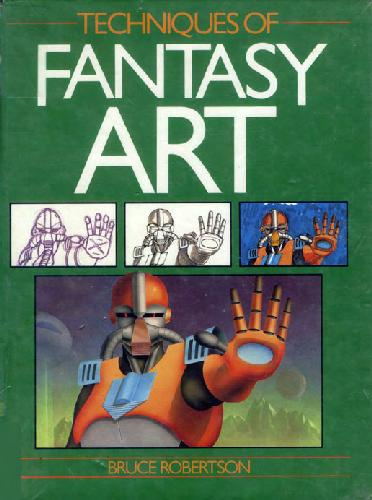
Techniques of Fantasy Art
This ebook may not meet accessibility standards and may not be fully compatible with assistive technologies.
Creating stunning fantasy art involves a combination of imagination, technical skill, and a deep understanding of artistic techniques. Here, I'll delve into various aspects of fantasy art, covering both traditional and digital approaches:
1. **Conceptualization and Ideation:**
- Start by brainstorming ideas and concepts. Create a mood board with images, sketches, and references that inspire your fantasy world.
- Develop a strong narrative or story behind your artwork to give it depth and meaning.
- Experiment with various themes, from high fantasy to steampunk or surreal landscapes.
2. **Composition:**
- Mastering composition is crucial. Use the rule of thirds, leading lines, and focal points to guide the viewer's eye through the artwork.
- Consider the scale and placement of elements to create a balanced and harmonious composition.
- Experiment with unconventional compositions to add a sense of dynamism and intrigue.
3. **Color Theory:**
- Understand the emotional impact of colors. Warm colors evoke energy and passion, while cool colors convey calmness and mystery.
- Utilize a limited color palette for cohesion or go bold with a wide spectrum for a vibrant and otherworldly feel.
- Experiment with contrasts to enhance the visual appeal, such as complementary or analogous color schemes.
4. **Lighting and Shadows:**
- Mastering light and shadow is crucial for creating a realistic and immersive fantasy world.
- Experiment with different light sources, such as moonlight, sunlight, or magical sources, to set the mood.
- Understand how light interacts with different surfaces and materials to create convincing textures.
5. **Detailing and Texturing:**
- Pay attention to intricate details to add depth and richness to your artwork.
- Experiment with various textures, whether it's the rough surface of ancient stones, the smoothness of magical artifacts, or the flow of ethereal fabrics.
- Incorporate fine details in characters, creatures, and environments to make them visually compelling.
6. **Character Design:**
- Develop unique and memorable characters by combining elements from different cultures, historical periods, and mythologies.
- Consider the character's backstory and personality when designing their clothing, accessories, and overall appearance.
- Focus on facial expressions and body language to convey emotions and tell a story.
7. **Environment Design:**
- Create immersive and fantastical land
Details
- Publication Date
- Jan 3, 2024
- Language
- English
- Category
- Art & Photography
- Copyright
- No Known Copyright (Public Domain)
- Contributors
- Other primary creator: B ROBERTSON
Specifications
- Format