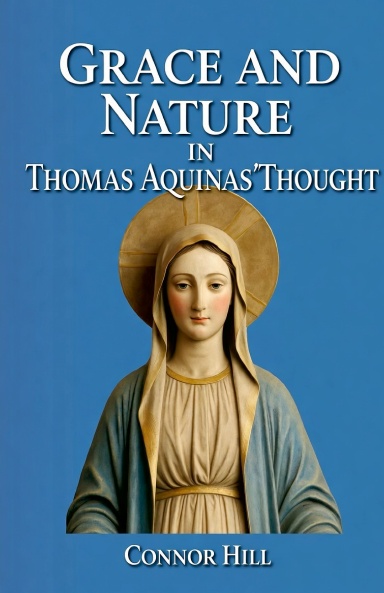
The relationship between grace and nature stands as one of the most profound and contested issues in Christian theology. How divine gift relates to created capacities—how God's free self-communication interacts with human nature and the natural world—has generated intense debates from the patristic period through the Middle Ages to our own time. These debates touch upon fundamental questions that shape not only theological understanding but also philosophical anthropology, ethical theory, political thought, and cultural engagement: How does divine action relate to human freedom? What can reason know, and where does faith become necessary? How does supernatural revelation relate to natural knowledge? What is the relationship between religious commitment and secular life? Answers to these questions determine not only theological positions but also practical approaches to education, politics, science, and culture.
Among the many Christian thinkers who have addressed the relationship between grace and nature, Thomas Aquinas (c. 1225-1274) offers a vision of exceptional depth, balance, and coherence. His synthesis navigates between competing extremes—between radical separation and simple identification of divine and created causality, between pessimism about fallen nature and optimism about natural capacities, between fideism that would negate reason and rationalism that would eliminate mystery. At the heart of his approach stands his famous principle: "Grace does not destroy nature but perfects it" (gratia non tollit naturam, sed perficit). This axiom, while seemingly simple, contains profound implications that Aquinas develops across multiple domains—metaphysics, anthropology, epistemology, ethics, spiritual life, and sacramental practice.
This book explores Aquinas' understanding of the relationship between grace and nature as the central theme and unifying principle of his entire intellectual project. While numerous studies have examined specific aspects of this relationship in Aquinas' thought, this work offers a comprehensive account that traces its development across the full range of his writings and considers its implications for contemporary theology, philosophy, and cultural engagement. Through close analysis of primary texts and engagement with recent scholarship, we will see how Aquinas' balanced integration of divine gift and created capacities provides not merely isolated insights but a coherent vision of reality as a whole.
Details
- Publication Date
- May 27, 2026
- Language
- English
- Category
- Religion & Spirituality
- Copyright
- All Rights Reserved - Standard Copyright License
- Contributors
- By (author): Connor Hill
Specifications
- Pages
- 264
- Binding Type
- Paperback Perfect Bound
- Interior Color
- Black & White
- Dimensions
- Digest (5.5 x 8.5 in / 140 x 216 mm)